How is Coffee Wood Marble affected by sunlight?
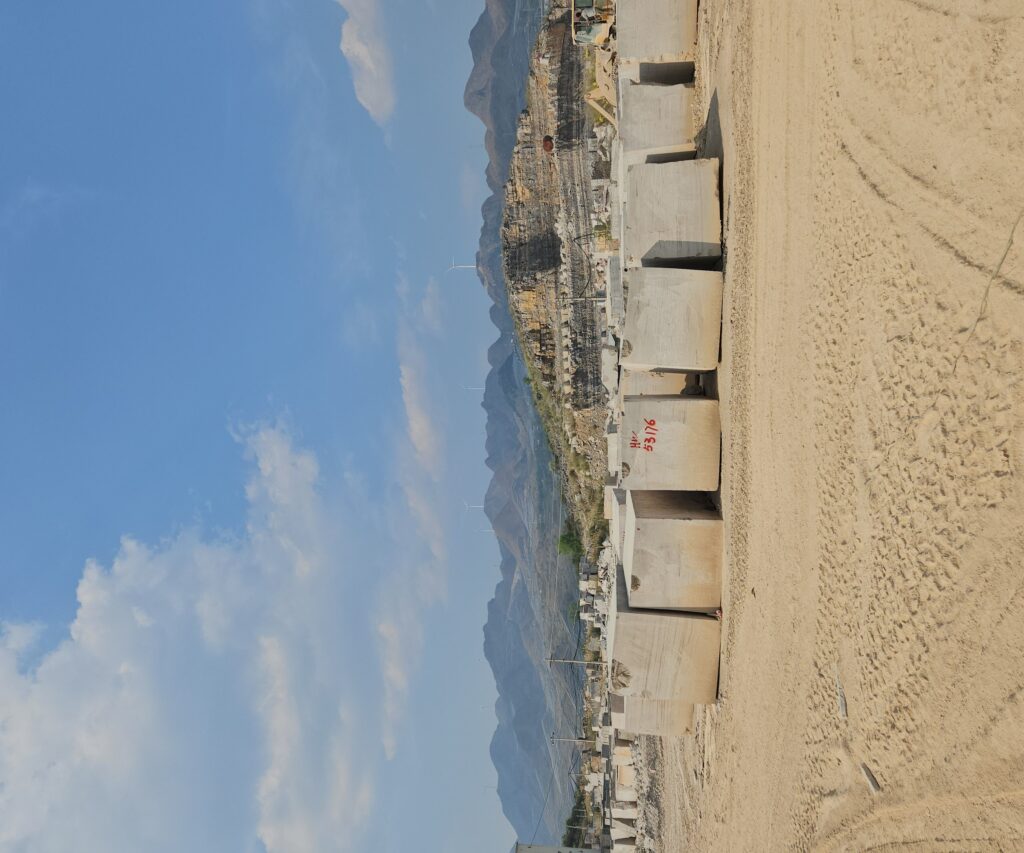
Reference photographs. They show the material and the finish; they are not photographs of goods we made, and the colour on screen is not a colour-match.
The figures, and where each one comes from
| What sunlight does | What it does not do |
|---|---|
| Heats the surface and dries it faster | Change the colour of the stone |
| Dries a sealer faster, so it needs redoing more often | Fade the figure |
| Raises the surface temperature of a floor | Cause any permanent change |
Why it behaves the way it does
The confusion is between the stone and the finish on it. A calcitic marble does not fade, but the resin in a sealer does, and a south-facing wall in a hot climate will need sealing more often than a shaded one for that reason and not for the stone.
What these figures are, and what they are not
This is a statement about the material. What a particular floor needs is a question about the exposure and the sealer, and the sealer's manufacturer has the answer for the product.
If you are specifying this
We have not published products against this question yet. Send us the process, thickness and quantity and we will quote it against what we can actually form, rather than against a catalogue.
Very little, and less than most people expect. The colour is mineral rather than dye, so it does not fade in the way a printed or stained surface does. What sunlight does is warm the surface and dry it faster, which matters more for the sealant than for the stone.
The figures
| What sunlight does | What it does not do |
|---|---|
| Heats the surface and dries it faster | Change the colour of the stone |
| Dries a sealer faster, so it needs redoing more often | Fade the figure |
| Raises the surface temperature of a floor | Cause any permanent change |
Why
The confusion is between the stone and the finish on it. A calcitic marble does not fade, but the resin in a sealer does, and a south-facing wall in a hot climate will need sealing more often than a shaded one for that reason and not for the stone.
What these figures are, and what they are not
This is a statement about the material. What a particular floor needs is a question about the exposure and the sealer, and the sealer’s manufacturer has the answer for the product.